Published 6/11/2026 in Equine Industry
Breeding for America
Hindsight
Looking back I have to wonder, what if we'd been investing in American breeding these past 30 years? What would that look like today?
Would it look like a bridge between breeders and trainers, where talented young pros develop the next generation of sport horses under educated eyes? Would they learn to take time instead of shortcuts? To appreciate the wins that come outside the show ring?
Maybe the connection between progeny and performance would be better woven into the fabric of the sport, bringing some much needed education to a base that is largely ignorant of bloodlines, breeding, and the first 3 years of their horse’s lives.
Perhaps there would be additional avenues for accessibility. Like a pony breeder that works with a pony pro to source generation after generation of gritty kids that can’t afford the finished animal.
Maybe it looks like a competitive track for “green on green”, where appropriately educated and supervised— but ultimately inexperienced— riders can buy the affordable youngster, take the slow (and sometimes punishing) road, and still feel part of the game.
Maybe instead of buying Europe’s reject jumpers and running them around in circles to make them hunters for the past 30 years, we could have bred and established a true American Hunter with the exact qualities we want. Quiet but athletic. Slow-legged yet snappy. Steady. Pretty. Floaty. Round. And amateur-friendly to suit that 90% market share.
And then we could have exported that.
Milkbones
Occasionally the Powers That Be throw a terribly thought out bone the breeders’ way, like the American “book” of USEF’s Performance Horse Registry (2009-2016, RIP). Little more than a new database and some year-end ribbons, it did nothing to support the actual people putting baby horses on the ground.
In a similar (but sadder) vein, USHJA’s International Hunter Futurity seemed to thrive, right up until it didn’t. A class that showcased young hunters, on the line and freshly started, and actually produced some legitimately successful animals, then just disappeared circa 2015. *Poof*. Like a distance you could have sworn was just there.
And just last year, USHJA broke a small corner of the internet by announcing consolidation of the Sallie B. Wheeler Hunter Breeding Championships into just one show, and subsequently canceling the Central Championships well into the 2025 season. Hell was raised and a sanctioned show did run, but the aftertaste was dismissive and bitter.
USHJA’s logic behind the SBW consolidation? “Economic viability.”
Economic viability.
In horse breeding?
Support v. Investment
Baby horses simply don’t make money. Their classes probably aren’t going to even break even, and that's OK.
That’s the difference between “support” and “investment”, and the PTB have never invested in the young horses we raise and produce in this country. They’ve been more than happy to outsource that to Europeans who, by sheer dumb luck, made a fortune culling their stock to Americans.
But Europe is no longer ignorant. They’re onto the qualities of a good hunter and know how much we’ll pay for them. It’s been expensive to shop in Europe for nearly a decade now, at least for the average buyer navigating a market full of scammers and fake x-rays. And that was before the tariffs.
Seas of Change
We’re seeing a bit of a sea change, and if you’re shopping for young talent your dollar will likely stretch farther here, in the good ol’ US of A. Especially if you factor in logistics like actually seeing the horse before you buy it, and perks like speaking the same language as the seller.
It’s just hard to find a critical mass of those youngsters in any given area. It’s hard to board a foal/yearling/2 year old. It’s hard to find youngster-worthy turnout. It’s hard to find good young horse starters, and it’s hard to find professionals that care to, have the time to, or know how to, take on a 3 year old.
So what would investment have looked like?
- Breeder scholarships & symposiums.
To establish breeding priorities that support and guide development. - Defined American Hunter standards.
And recognition for the bloodlines producing them. - Support for regional Young Horse Centers.
Where breeders can affordably send horses for training and aspiring pros can rotate through and learn from young horse specialists. - Breeding & young horse development in the EAP curriculum.
Utilizing the regional Young Horse Centers for symposiums and training opportunities. - Including sire & dam information wherever possible.
And elevating the profiles of our hard-working breeders. - Award American-breds their own ribbons whenever possible, not just at yearly championships in far-off locations for horses 3 & under.
It’s literally just another string of ribbons for you, and managing a database you used to have, but for the kid or hard-working amateur showing against $300k horses, it could be the difference between any ribbon and none.
No strings plz
Minus that last one, no one is asking you to run these things, dear USEF & USHJA. We’re (me?) asking you to invest in them, with no strings attached, because it’s good for the future of our industry, our livelihoods, and our sport.
I'd be remiss to not mention the solid young horse efforts that are finally gaining toeholds, such as the Young Horse Show Series and the United States Sport Horse Breeders Association. They’re building bridges between breeding and performance and paving paths towards greater accessibility. They’re supporting breeders, getting youngsters properly educated, and actually producing what the US market desperately wants at a more affordable price.
The answer, it seems, has been in our breeder’s backyards this whole time.
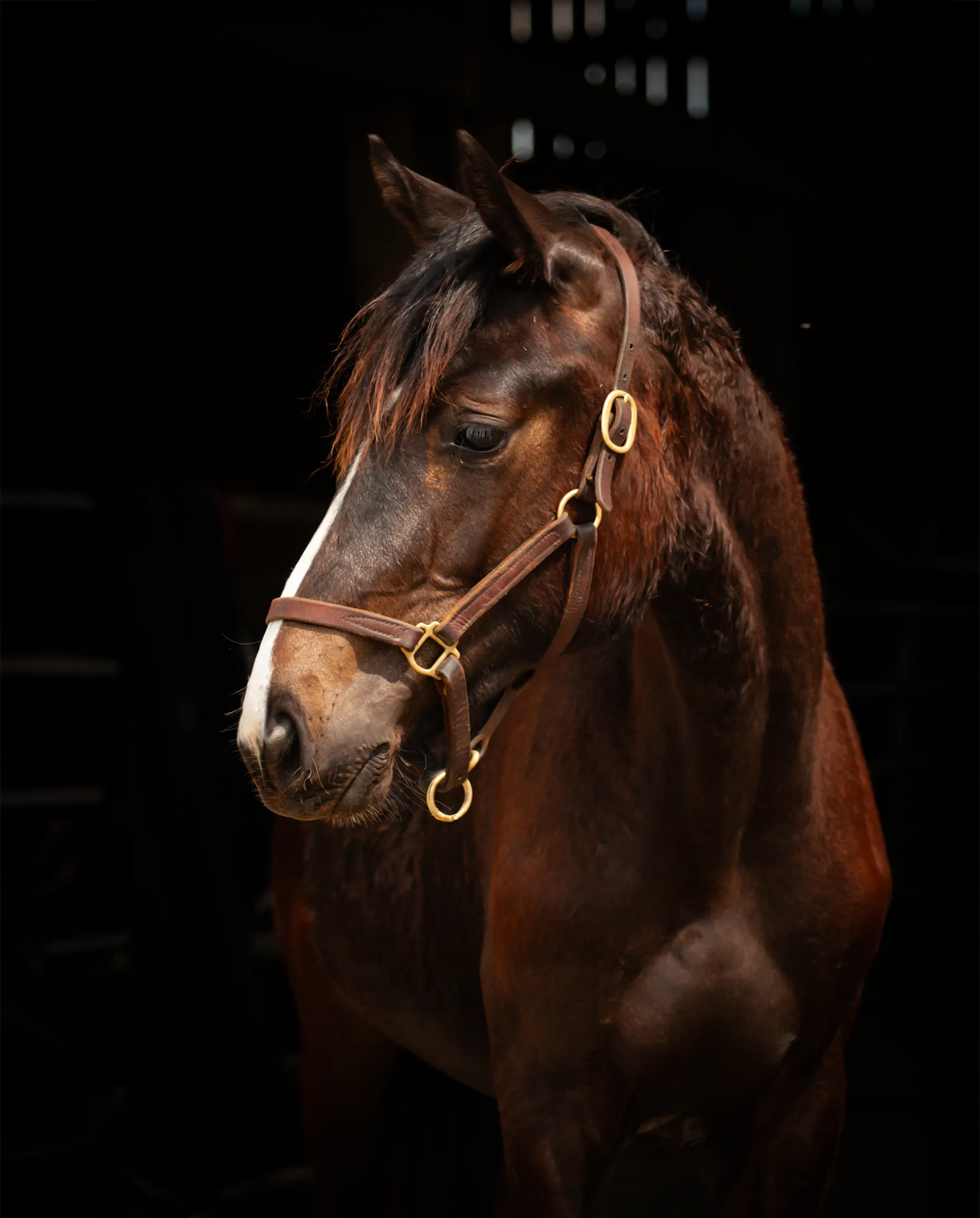
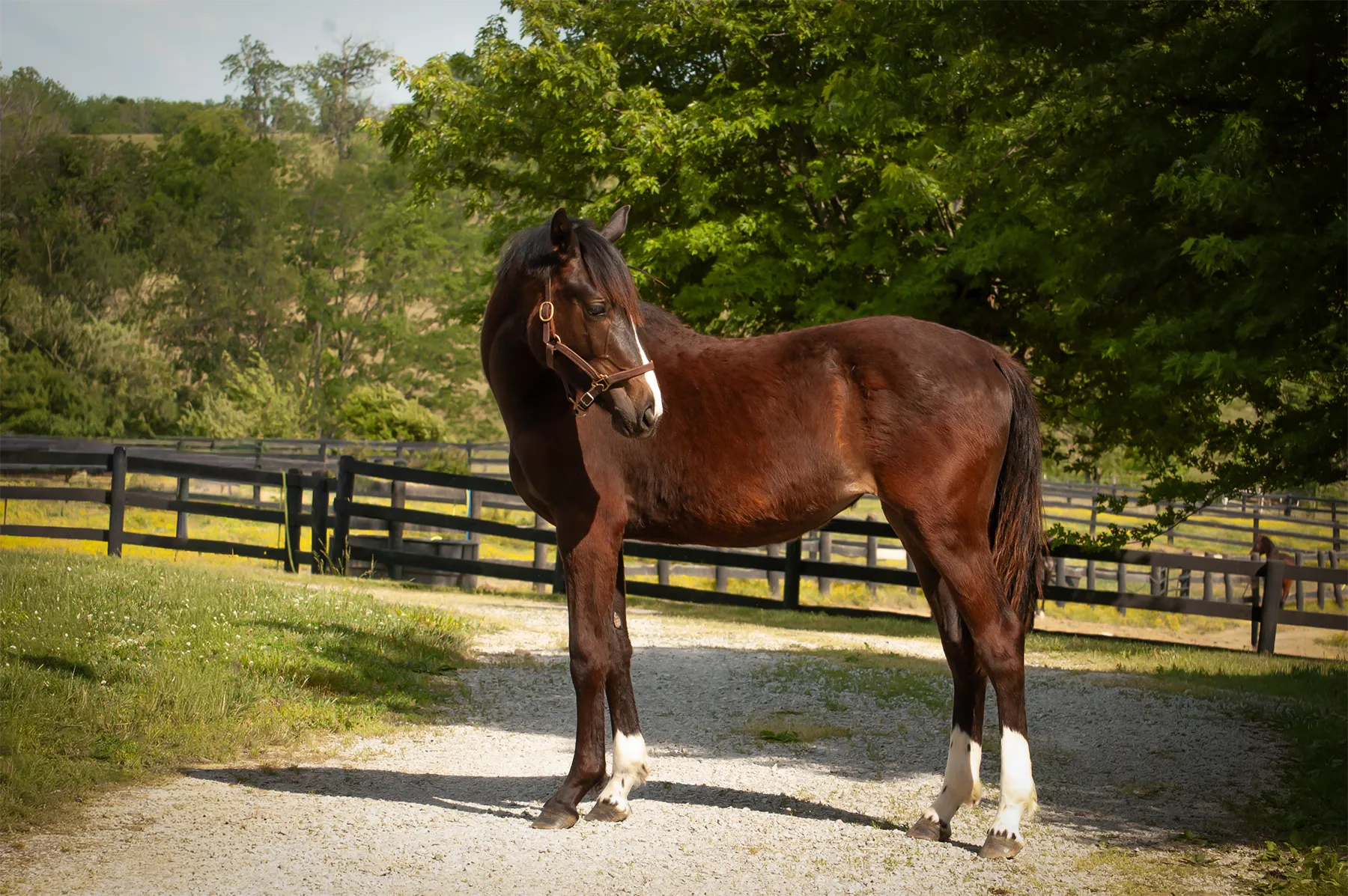
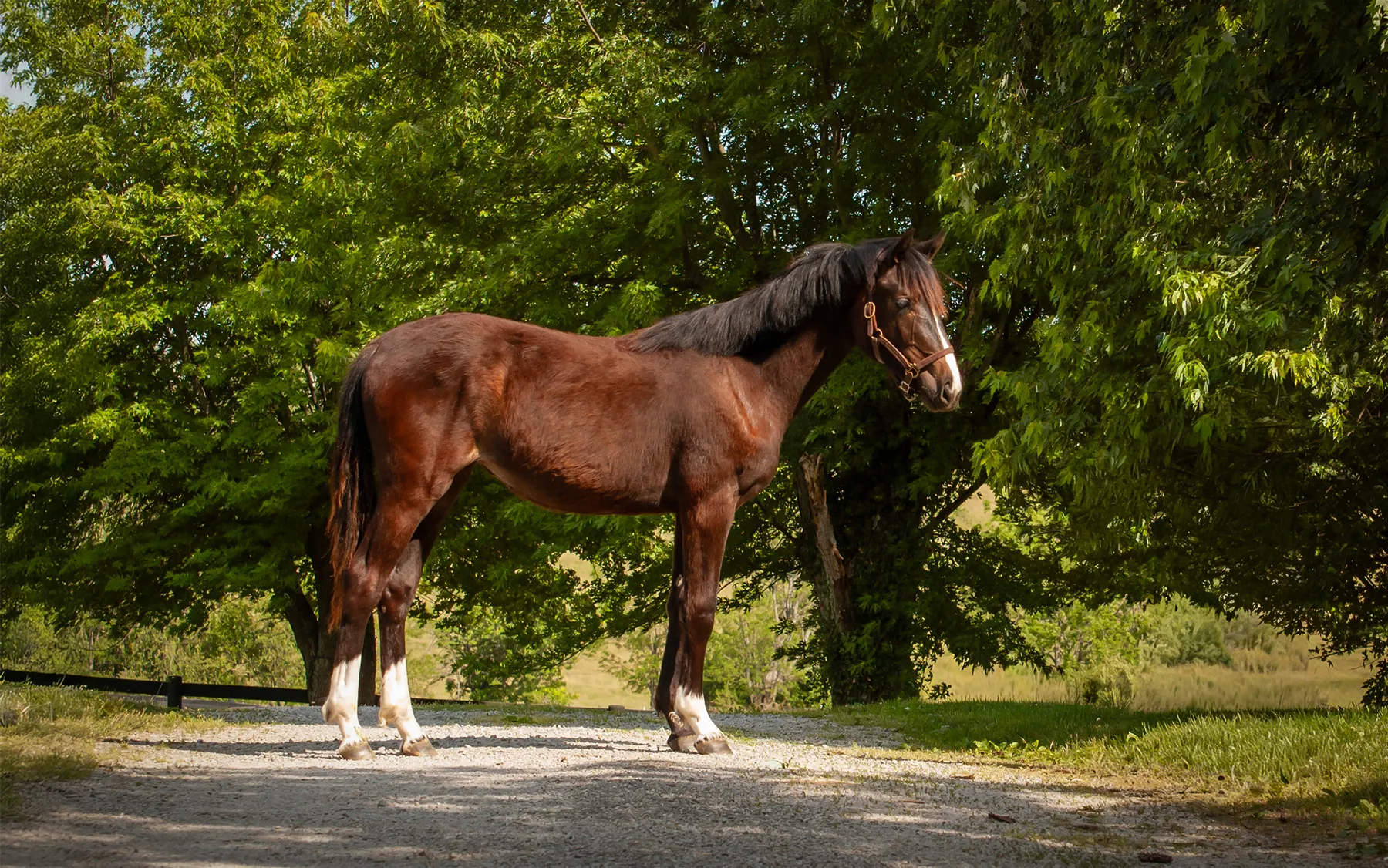
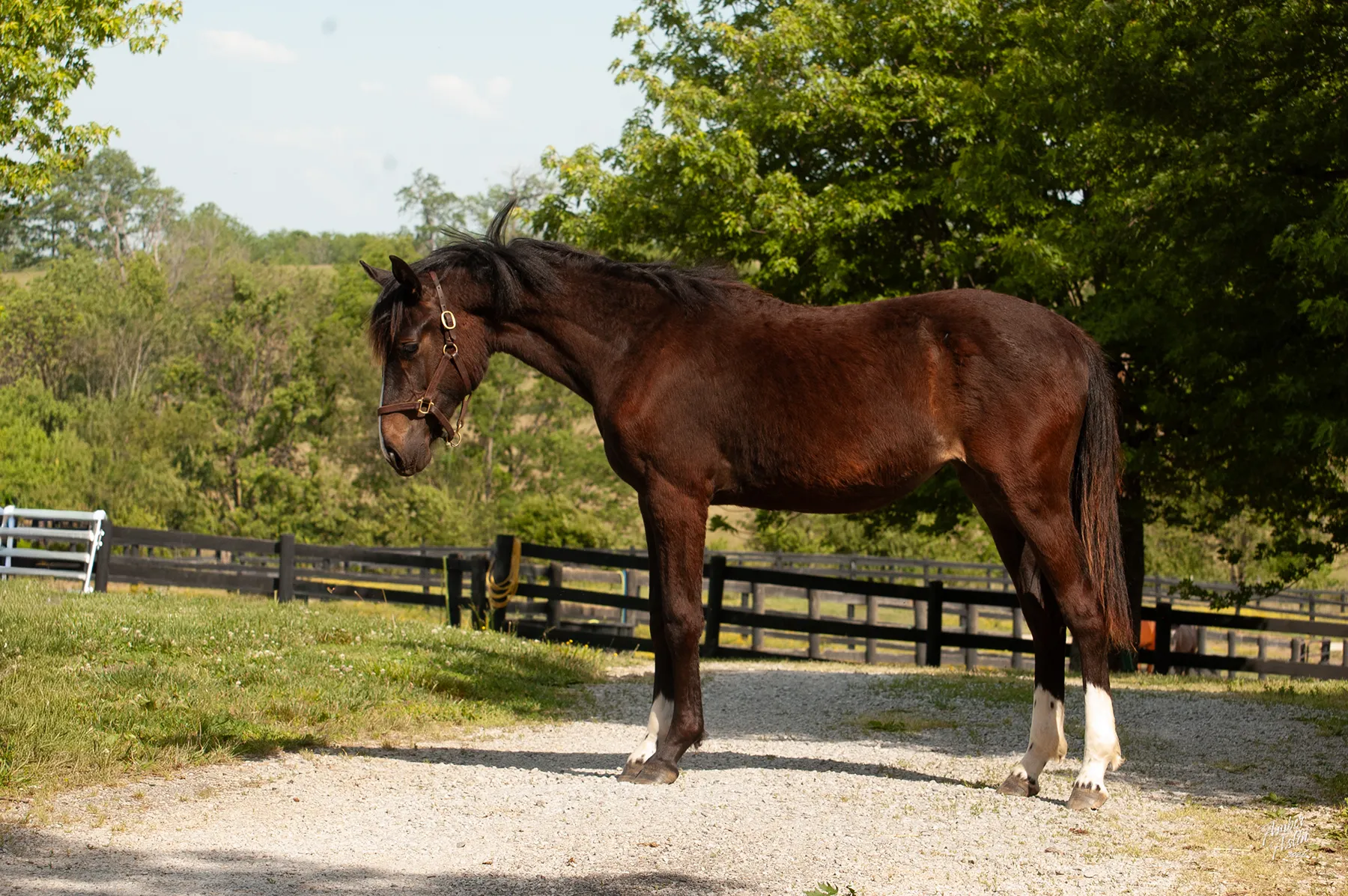
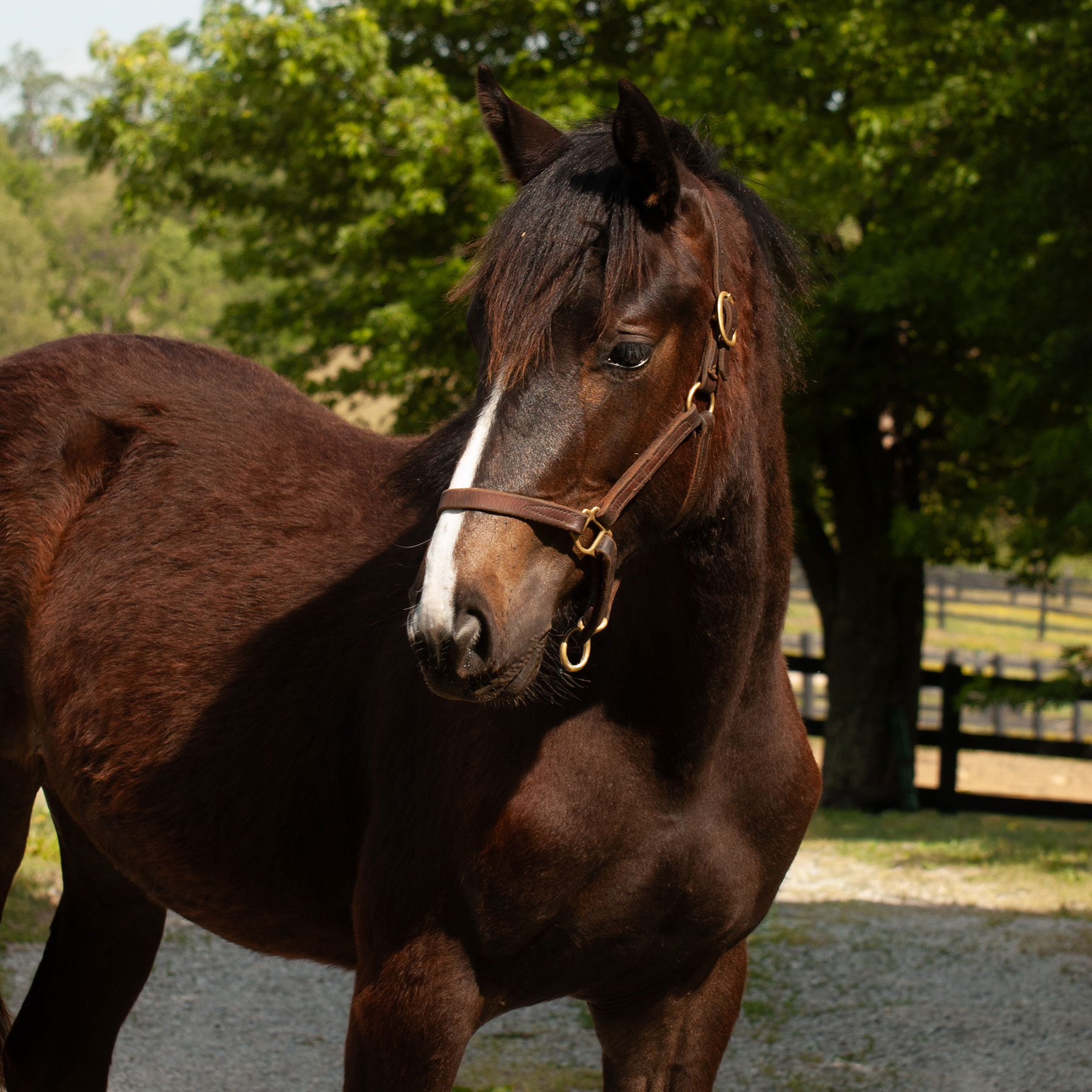
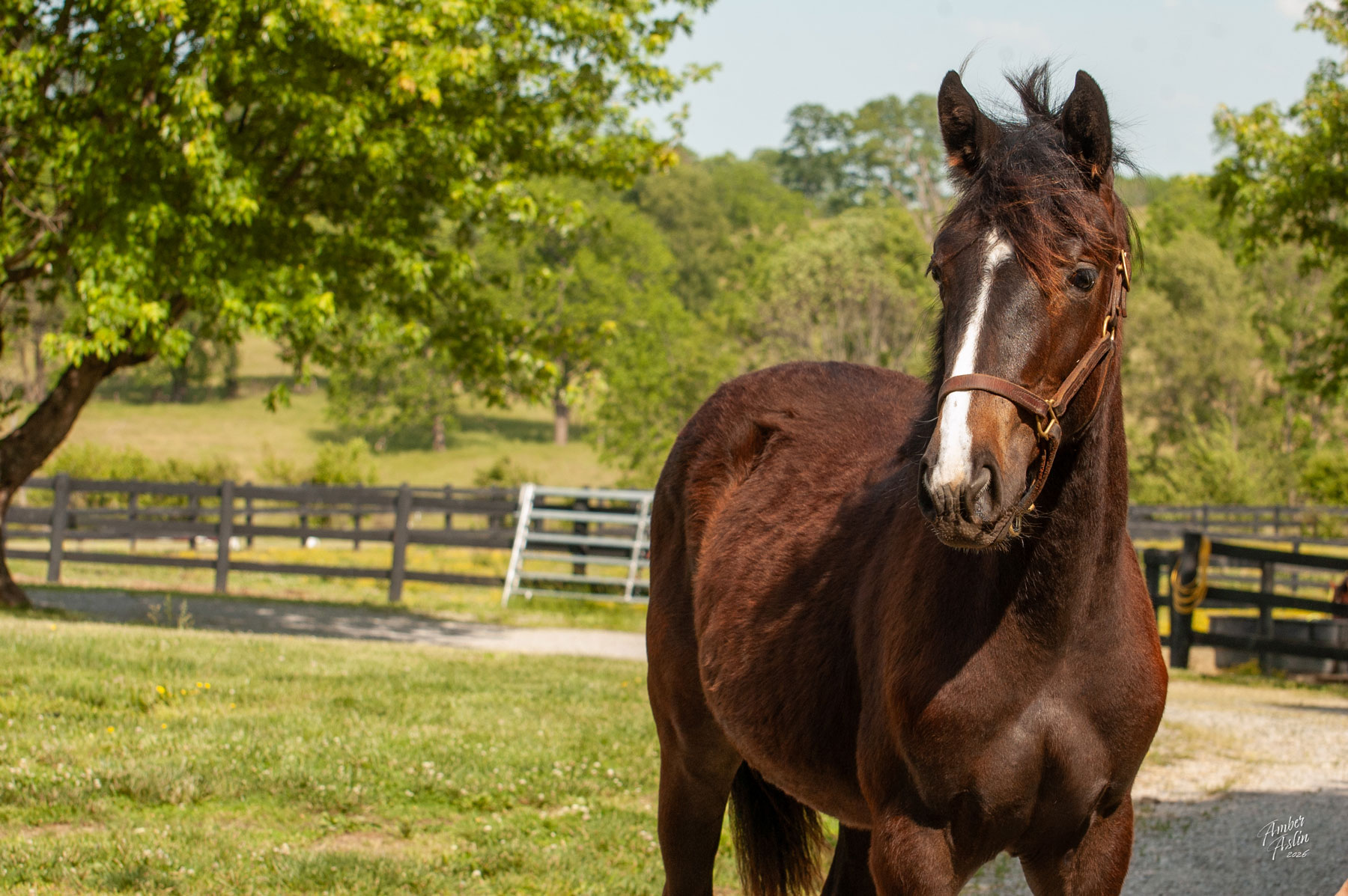
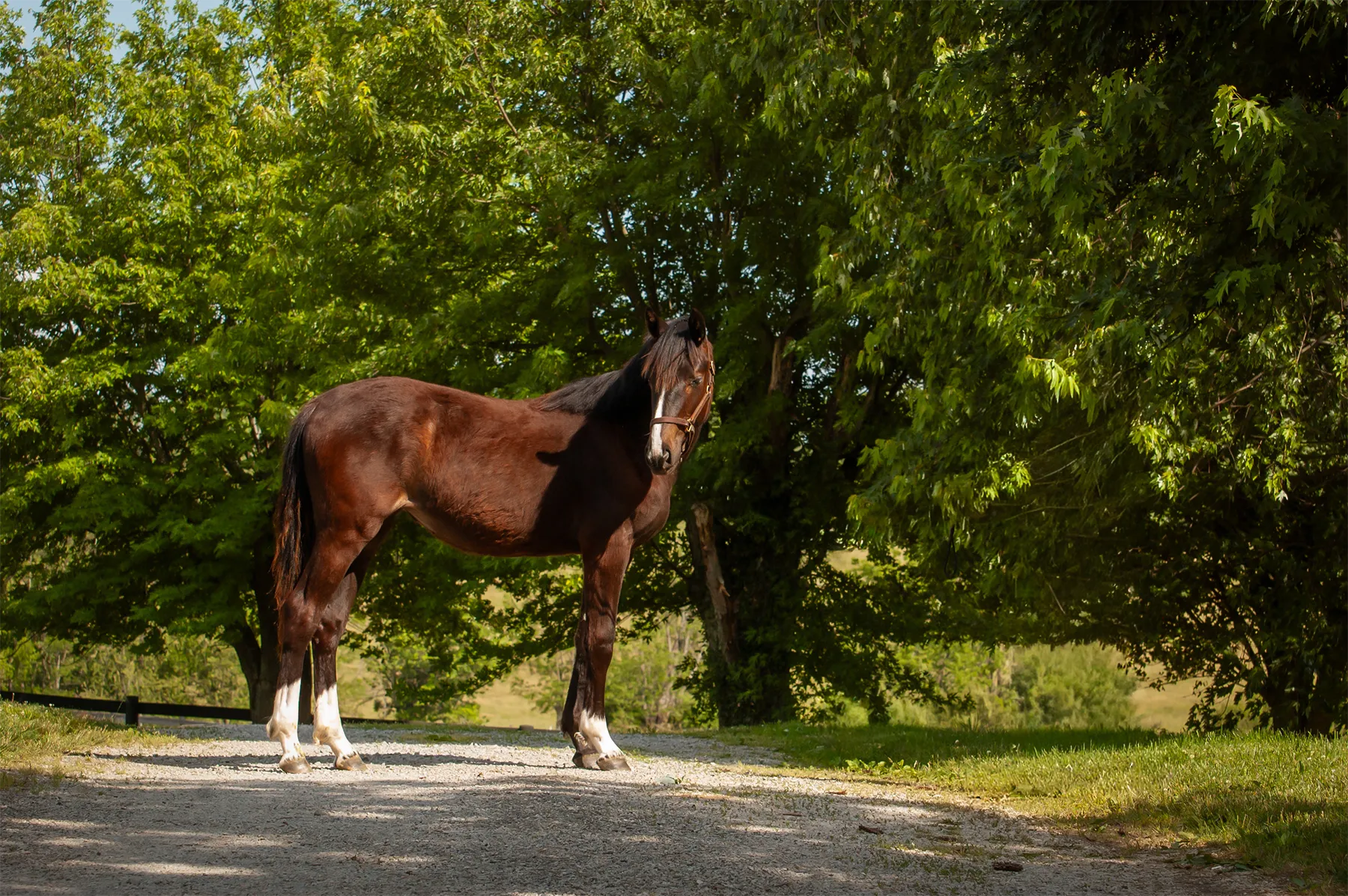
Our model for this post is Baleria FE (Bandelero JSF x Larino) from Fusion Equestrian, one of the first to launch on our Youngster Listings (her stablemate, Courageux FE, was our first launch and sold in 5 days, read more about him here). Her spring coat was long and freshly bathed and her body's still figuring out where everything goes, but she has modeling skills even Scott Stewart would envy and gave a stunning photo shoot.
Baleria was 100% bred to appeal to the amateur owner that wants to enjoy the process of bringing a quality young one along. That can support proper care and needed training but doesn’t have all that money up front. This is the kind of accessibility that Americans yearn for, and that American breeders offer.
If Baleria is still available, she will be linked below.
Editor's Note
My pull at USEF might be low but my nerd factor is high, and it's my chosen weapon in this effort to support American breeders. Our Youngster Listings, for sale horses 3 & younger, impart immediate professionalism upon your yakkiest yearling. They highlight baby successes, like keurings and YHSS appearances, training milestones, positive early life experiences, and more. They’re easy to share and a powerful addition to any marketing toolbox. See an example here or sign your youngster up here.
Remarks
There are no comments on this entry.